OUR PERSPECTIVE ON INCLUSIVE GOVERNANCE AND SERVICE DELIVERY
KECOSCE has in this planning period elevated our work on DRG as the first objective of this strategic plan in all the ten counties where we shall be working. This is because we understand democracy, human rights and governance as fundamental objectives in and of themselves and essential foundations for sustainable socio economic development. Kenya Government recognizes the importance of DRG to achieving the national Vision 2030 and the Sustainable Development goals which are part of our policies and embodies Kenya’s National Values.
Kenya’s constitution has its chapter four on the bill of rights which covers basic, social-political and economic rights. The chapter identified five basic fundamental rights as.
- The Right to Life
- The Right to Equality and Freedom from Discrimination
- The Right to Freedom and Security of the Person
- The Prohibition of Slavery, Servitude, and Forced Labor
- The Freedom of Conscience, Religion, Belief, and Opinion.
- he constitution provides among other rights the right to food and food security
The fundamental step towards successful transformation is where citizens are empowered to utilize
the opportunities availed in being part of development actions and more so in decision making processes. Democracy works when citizens have the capability to ask questions, seek accountability from the state, and participate in processes of governance. Democracy involves dignity, diversity, dissent, development, participation and accountability. Until every last person can celebrate her/his sense of dignity, exercise democratic dissent, be informed and involved in the processes of governance and development, democracy remains an empty rhetoric. Governance is crucial because it encompasses both the process and arenas where public policy is formulated, legitimized, legislated and implemented. It provides an institutionalized means to claim rights and seek justice. It is the interface through which citizens and marginalized people can interact and mediate with the state and seek accountability.
However, the reality is that governance is a site of unequal and unjust power relationships, where patriarchy gets reinforced in marginalization and oppression, and where poverty is perpetuated. Democracy dies where discrimination begins and the politics of exclusion takes root. Under this strategic plan, it is our endeavor to strengthen ourselves in this area by establishing a coordination unit/committee that will see us entrenching governance and leadership aspects across board more vibrantly. This will entail equipping the office with more personnel/consultants/volunteers to enable us take lead in conducting appropriate research, developing advocacy strategies, creating public awareness, civic education and leading advocacy actions on behalf of, and with the people we serve. We shall through this program mobilize our staff, partners and donors around gender equality and diversity inclusion to ensure high quality gender transformative and inclusive programming
The Development Issue
During the period of implementation of this Strategic Plan, KECOSCE shall focus on empowering the marginalized and poor communities to participate in the governance of their societies, put in place mechanisms to safeguard human rights and protect the most vulnerable in society from abuses and that they enjoy their fundamental freedoms. This program shall work with communities and duty bearers to ensure every citizen is represented in the decision making platforms, and their interests are prioritized and included in local development plans and initiatives. The program shall lobby and influence access to quality services and that duty bearers are held accountable to the public. Successful implementation of this objective will yield to the following results
Description of Result Areas for Objective 1:
Program Long term outcome: Inclusive Governance Justice and Service Delivery Enhanced
Mid Term Outcome 1.1.: Enhanced partnership between state and citizen in governance
- Short Term Outcome 1.1.1. Increased Accountability and transparency processes
- Output1.1.1.1: Increased Citizen Awareness on democratic and political processes
- Short Term Outcome 1.1.2. Improved citizen participation in policy and legislation at county and national
- Output 1.1.2.1. increased knowledge amongst state and non-state actors in policy and legislation
- Short Term Outcome 1.1.3 Improved collaboration between state and non-state actors on governance processes
- Output 1.1.3.1. Improved capacity in lobby and advocacy
Mid Term Outcome 1.2.: Increased citizen participation in governance
- Short Term Outcome 1.2.1. Sustained Community Voices
- Output1.2.1.1. Increased knowledge in community agency and political processes
- Short Term Outcome 1.2.2. Local CLOs advance principles of self-reliance and accountability
- Output 1.2.2.1 Increased lobby and advocacy skills
- Output 1.1.2.2. strengthened citizen networks
- Short Term Outcome 1.2.3. Increased community participation in public processes, budgeting, and accountability forums
- Output 1.2.3.1. increased community understanding on public participation and decision making
Mid Term Outcome 1.3. Enhanced Protection of civic and democratic spaces
- Short Term Outcome 1.3.1. Increased protection and advancement of women, youth, SIGs rights
- Output 1.3.1.1. Improved capacity of state and non-state actors on social accountability
- Short Term Outcome 1.3.2. Increased participation of special interest groups in democratic processes
- Output 1.3.2.1. Increased awareness of constitutional rights amongst SIGs.
- Output 1.3.2.2. increased awareness on mechanisms for public participation.
- Short Term Outcome 1.3.3. Enhanced citizen resilience to political manipulation
- Output 1.3.3.1. Increased awareness on the constitutional rights of women youth and SIGs
Strategies
Capacitate: Strengthening and equipping local actors with necessary skills, knowledge and attitudes to take active roles in the governance of their communities. Examples of activities to be undertaken in this strategy include
Purposeful mobilization of citizens to equip them with requisite development knowledge and values that will enable them to participate effectively in governance processes.
- Supporting/Mentoring emerging talented young leaders to take the right leadership dimensions.
- Train people in public participation Act and policies.
- Civic education to support public participation in electoral processes for free, secure and peaceful elections.
Advocate: KECOSCE shall support community actions that defend local development interests and propose new and progressive legislations/policies. This program shall work to position the voices of poor and marginalized communities at the center of development planning and implementation. Some of the activities shall include
- Facilitate and support formulation and implementation of policies and laws (including working with religious leaders and faith actors on FoRB)
- Promote human rights principles, in accordance with universal values and international norms by working with relevant bodies such as IPOA, KNCHR, NPS and NCTC
- Advocating for increased accountability among duty bearers.
- Conduct social audit to ensure the projects that supports the inclusion of women are undertake
- Conduct research and to increase evidence-based knowledge on issues of equality and inclusion
Dialogue; KECOSCE shall facilitate and foster spaces for engagement and meaningful conversations between communities, duty bearers and local stakeholders. This shall be geared towards enhancing access to government information and services, improving feedback loops and bolstering the legitimacy of governance structures and processes.
Examples of activities to be undertaken shall include
- Undertake public education and information sharing initiatives to sensitize minorities and marginalized and stakeholders on integration of the principles of equality and freedom from discrimination.
- Ensure public access to information and protect fundamental freedoms, in accordance with national legislation and international Agreements
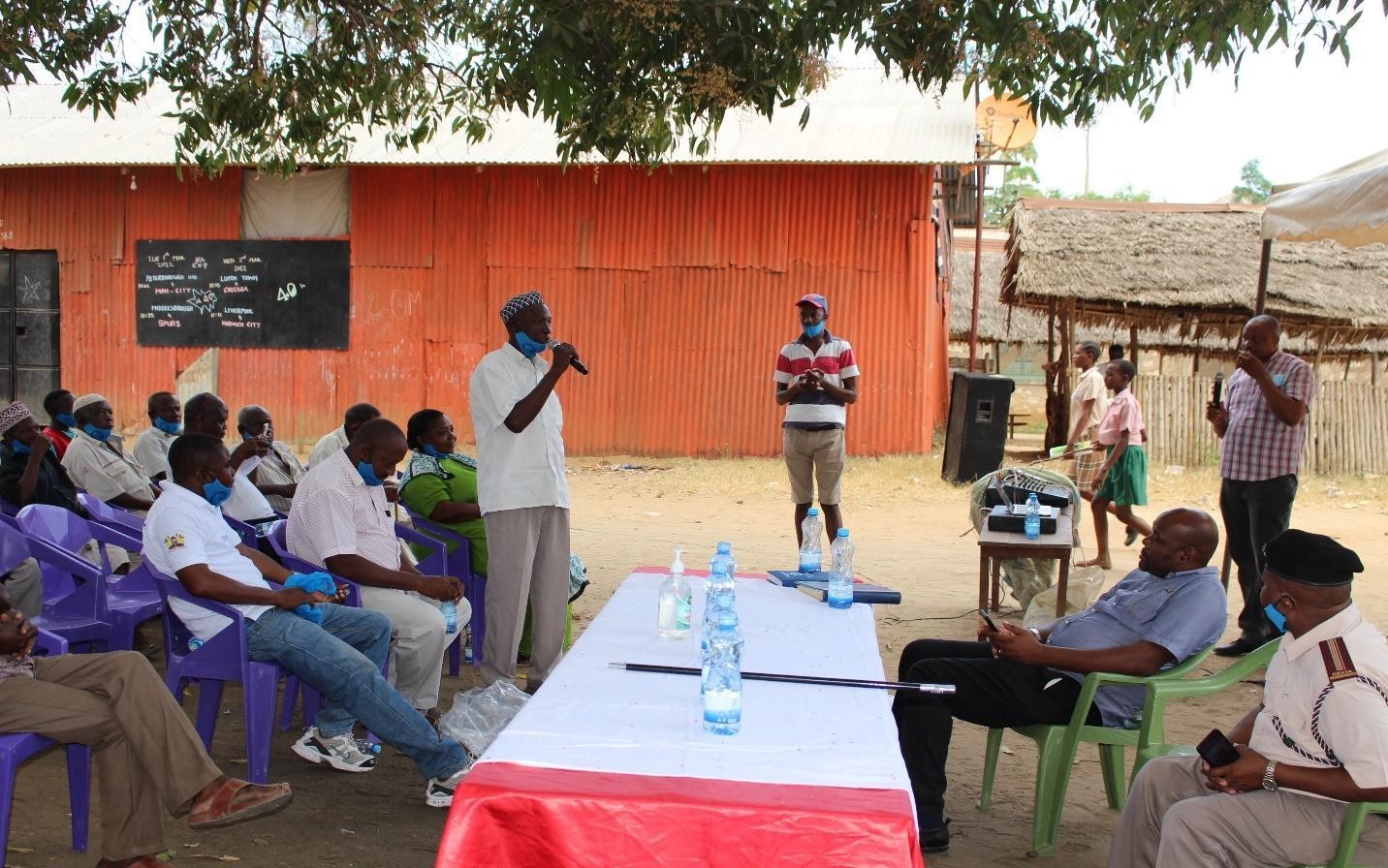
- Organize town hall interface discussion forums between communities, leaders and duty bearers to rally for inclusion of diverse demographic interests
- Promote equality of opportunity and access to public goods and services
Collaborate: KECOSCE shall work to strengthen local governance structures to effectively deliver on their mandate
- Partner with government agencies to review and formulate pro poor policies
- Build alliances with civil society actors and corporate bodies for joint actions towards improving local governance
- Engage with private sector to design social corporate responsibility ventures for public good
- Work with local media to stage campaigns to improve governance